North Carolina calls the offense impaired driving. The law that defines it is N.C. Gen. Stat. § 20-138.1. Most people call it a DWI. Some use the term DUI. Drivers arrested here answer the charge in New Hanover County. A DWI charge is not a conviction. The State must prove its case. The license side moves on its own. That split shapes how a DWI lawyer Wilmington drivers hire reviews the stop and the testing.
DWI Charges in Wilmington, NC
North Carolina's impaired driving statute describes three separate ways to commit the offense. The State must prove only one of them.
A driver violates the law by driving any vehicle on a highway, street, or public vehicular area while under the influence of an impairing substance.
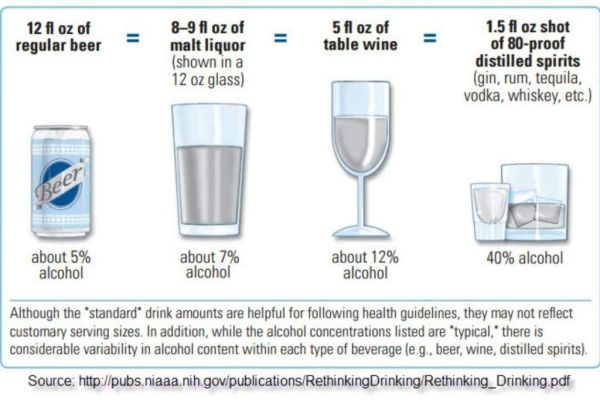
The offense also occurs after a driver consumes enough alcohol. The alcohol concentration must reach 0.08 or more at any relevant time after driving.
The third route needs no proof of impairment. Any amount of a Schedule I controlled substance counts. So do its metabolites in blood or urine.
An impairing substance includes alcohol, illegal drugs, and lawfully prescribed medication. Being legally entitled to use it is not a defense.
The limit is 0.08 for most drivers and 0.04 in a commercial vehicle. Drivers under 21 face true zero tolerance. This means any amount of alcohol remaining in the body is illegal. This rule reaches many UNC Wilmington students.
Law enforcement agencies making these arrests include the Wilmington Police Department, the New Hanover County Sheriff's Office, and the State Highway Patrol. Common spots include the I-40 terminus, Market Street, US-17, College Road, Oleander Drive, the Front Street riverfront, and Wrightsville Beach. Impaired driving is a misdemeanor. The statute assigns no misdemeanor class.
What Happens After a Wilmington DWI Arrest
A magistrate sets conditions of pretrial release after the arrest. Misdemeanor cases are heard in New Hanover County District Court.
License consequences start right away. North Carolina runs two separate tracks.
The first is a civil revocation. It begins at the arrest, before any conviction. It applies when there are reasonable grounds to believe an implied consent offense occurred. The driver must have willfully refused testing. Or the driver must have had an alcohol concentration of 0.08 or more. That revocation runs 30 days. It becomes 45 days if the driver does not surrender the license. A pretrial limited driving privilege may be available after 10 days. A driver who contests it gets a hearing. The hearing is with a magistrate or district court judge, not the DMV.
The second track is refusal. A willful refusal brings a separate 12-month revocation. It follows North Carolina's implied consent statute, N.C. Gen. Stat. § 20-16.2. That one is the DMV track. It takes effect on the 30th calendar day after the Division mails the order. Requesting a hearing in writing before that date stops it. This revocation stacks on top of the civil one. Before testing, the officer must give a rights advisement. The driver may call an attorney and pick a witness. But testing may not be delayed more than 30 minutes.
How a Wilmington DWI Lawyer Defends the Case
The stop. The first question is whether the officer had a lawful basis to pull the car over. A late-night stop leaving the Front Street riverfront gets the same review. What did the officer see first?
Field sobriety tests. Officers must give and score these tests as they were trained to. Medical conditions, footwear, and roadside conditions can all affect the results.
Chemical testing. A breath instrument must be properly maintained. The observation period must be honored. Blood cases turn on the draw procedure and the chain of custody.
The advisement. Counsel checks whether the implied consent rights were read correctly. Did the officer honor the 30-minute limit?
Voluntary steps can matter too. A substance abuse assessment with verified abstinence counts. So does voluntary treatment. These are North Carolina's statutory mitigating factors at sentencing.
Sentencing uses six levels. They are: Aggravated Level One, Level One, Level Two, Level Three, Level Four, and Level Five. A judge counts grossly aggravating factors first. Then the judge weighs ordinary aggravating factors against mitigating ones. The level depends on the specific facts. Depending on the level, a sentence can include fines, license revocation, community service, and jail time.
Some people search for a DUI lawyer Wilmington NC residents recommend. Others look for a DUI attorney Wilmington friends have hired, or for a criminal defense attorney with DWI experience. The label matters less than the review of the file.
Speak With a Wilmington DWI Lawyer
Free consultations review the stop, the testing, the rights advisement, the license status, and the sentencing exposure. The license side moves on its own short timeline. Early contact helps. A limited driving privilege is discretionary and conditional. It is never automatic. A lawyer can explain whether one may be possible. DrunkDrivingDefense.com works with North Carolina DUI lawyers who handle these cases statewide. Use our online contact form to reach a DWI lawyer Wilmington NC drivers can call for a free consultation.