North Carolina's offense is impaired driving, defined by N.C. Gen. Stat. § 20-138.1. The common name for it is DWI, which most people call a DUI.
A charge from a High Point arrest is heard in Guilford County District Court. A DWI lawyer High Point drivers hire early can question the stop, the testing, and the driver's license deadlines.
DWI Charges in High Point, North Carolina
The statute reaches anyone driving on a highway, street, or public vehicular area in the state. It sets out three ways to commit the offense:
- Driving under the influence of an impairing substance
- Driving with an alcohol concentration of 0.08 or more at any relevant time after driving
- Driving with any amount of a Schedule I controlled substance, or its metabolites, in blood or urine
These are alternatives, not a checklist. The State must prove only one, not both impairment and a 0.08 reading. Being lawfully entitled to use the substance is not a defense.
A DWI is a criminal charge, but North Carolina does not give it a misdemeanor class. Courts sentence it under a six-level scheme instead, running from Aggravated Level One down through Levels One, Two, Three, Four, and Five. Aggravating and mitigating factors set the level, so two first-time charges may end very differently. No single first-offense figure is honest.
DWI Checkpoints, Traffic Stops, and Breath Tests in High Point
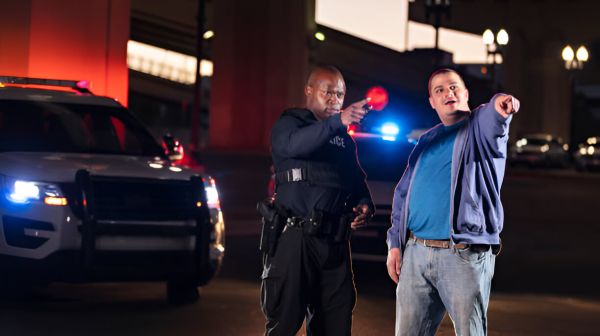
Most High Point DWI cases begin with a traffic stop or a checkpoint contact. Drivers often search for DUI checkpoints High Point officers set up on holidays. To ask for a chemical test, law enforcement officers need reasonable grounds to believe an implied-consent offense was committed.
The implied consent law, N.C. Gen. Stat. § 20-16.2, governs chemical testing. The officer must first advise the driver of their rights.
You may call an attorney and select a witness, but testing may not be delayed more than 30 minutes from that notice.
A willful refusal costs more. The DMV revokes the license for 12 months. That revocation starts on the 30th day after the Division mails the order, unless you request a DMV hearing in writing first. It is separate from the short pretrial civil revocation, which a magistrate or district court judge handles.
How a High Point DWI Attorney Builds a Defense
A DWI attorney High Point drivers retain starts with the stop itself. Was the stop or the checkpoint contact lawful? Evidence gathered after an unlawful stop may be open to challenge.
The testing comes next. Our defense attorneys check whether field sobriety tests were given as officers are trained to give them.
A breath case turns on the instrument's maintenance records and the observation period. A blood case turns on the chain of custody from the draw to the lab. Either way, the implied-consent rights must have been read correctly.
The law firm handles impaired driving cases in Guilford County District Court in High Point, from stops along I-85 and Business 85 in the Triad. A weak stop or a testing error may support a suppression motion.
Talk With a High Point DWI Lawyer
Timing matters. After a refusal, the written hearing request runs from the day the Division mails the order, not from the arrest date. Dash and body camera footage, checkpoint plans, and maintenance records are easier to get early.
You can request a free consultation with a DWI lawyer High Point NC drivers can reach through our online contact form. Our defense lawyers can explain the level range you may face, what the State must prove, and which deadlines apply. Drivers charged elsewhere can start with our North Carolina DWI defense page. Nothing here promises how any case will end, and the result could turn on facts unique to your case.
Frequently Asked Questions
Is a DWI the Same Thing as a DUI in North Carolina?
Yes. Under North Carolina law the offense is impaired driving, and courts here call it DWI. DUI is the shorthand used in other states. The charge is the same.
What Happens If I Refuse the Breath Test After a High Point DWI Arrest?
A willful refusal leads to a 12-month revocation through the DMV. It starts on the 30th day after the Division mails the revocation order. You can contest it only by requesting a hearing in writing before that date.
How Long Can I Lose My License After a DWI Charge in High Point?
It depends on the case. A short pretrial civil revocation may start soon after the arrest, and a refusal adds a separate 12-month revocation. A first DWI conviction generally brings a one-year revocation.
Are DWI Checkpoints in High Point Legal?
Yes, when officers run them correctly. A lawful checkpoint follows a written plan and stops vehicles under a set pattern. A checkpoint that ignores its own plan may be open to challenge.