North Carolina charges the offense as impaired driving under N.C. Gen. Stat. § 20-138.1. Nearly everyone calls it DWI, the charge most people call a DUI. A Chapel Hill arrest is handled in Orange County, and it moves on two tracks at once.
One is the criminal DWI charge. The other is the license, which the state may act on before any conviction. This page covers both, and what a DWI lawyer Chapel Hill drivers contact reviews first.
DWI Charges in Chapel Hill, NC
The state can prove impaired driving in three ways, and it needs only one:
- driving a vehicle on a highway, street, or public vehicular area while under the influence of an impairing substance;
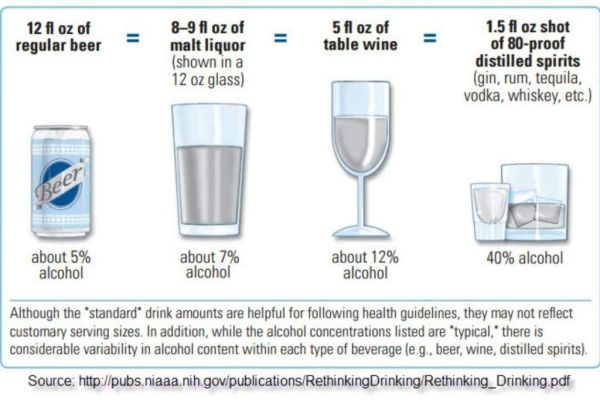
- driving after consuming enough alcohol to reach 0.08 or more at any relevant time after driving; or
- driving with any amount of a Schedule I controlled substance, or its metabolites, in blood or urine.
An impairing substance may be alcohol, an illegal drug, or a prescribed medication. Being legally entitled to use it is not a defense. The limit is 0.08 for most drivers and 0.04 in a commercial vehicle. For drivers under 21, any amount of alcohol in the body is enough: true zero tolerance, not a 0.02 rule.
DWI in North Carolina is a misdemeanor, but it carries no misdemeanor class, and courts sentence it under a six-level scheme. A first offense with no grossly aggravating factors may land at Level Three, Four, or Five, depending on the judge's weighing.
The Orange County District Attorney's Office prosecutes DWI cases here. Arrests come from the Chapel Hill Police Department, the UNC-Chapel Hill police, the Orange County Sheriff's Office, and the State Highway Patrol. Stops are common near Franklin Street, on NC 54 and US 15-501, and in Carrboro.
DWI Checkpoints and Traffic Stops in Chapel Hill
Questions about DUI checkpoints Chapel Hill police run come up often. Checkpoints are lawful in North Carolina when officers follow the planning and operating rules. The question is whether they did.
The checkpoint itself. A defense review asks how the checkpoint was planned, supervised, and run, and whether the stopping pattern was followed. A late-night contact near Franklin Street may turn on that point alone.
Reasonable grounds. Officers need reasonable grounds, North Carolina's phrase, to move from a brief checkpoint contact to a full impaired driving investigation. Without a checkpoint, the stop needs a lawful basis.
Field sobriety tests. A DWI attorney Chapel Hill drivers hire will ask whether the standardized tests were given and scored as trained. Medical conditions, footwear, roadway grade, and street lighting can affect performance.
Testing records. Records may show whether the breath instrument was maintained and the observation period before the test honored. A shortened observation period changes what a DWI lawyer Chapel Hill NC drivers call will request. Blood draws raise chain of custody questions.
Your License After a Chapel Hill DWI Arrest
North Carolina runs two separate revocation tracks. The first starts at the arrest, before any conviction. It applies when there are reasonable grounds to believe an implied consent offense occurred. The driver must also have willfully refused the chemical analysis or tested at 0.08 or more. The trigger is 0.04 in a commercial vehicle, and any amount under 21. This revocation runs 30 days, or 45 days if the driver's license is not surrendered. A pretrial limited driving privilege may be available after 10 days, though it is discretionary. A magistrate or district court judge hears a challenge, not the DMV.
The second track is the DMV one. A willful refusal triggers a separate 12-month revocation under North Carolina's implied consent law, N.C. Gen. Stat. § 20-16.2. It takes effect on the 30th calendar day after the Division mails the order, unless the driver requests a hearing in writing first. It stacks on the civil revocation. Before testing, a driver may call an attorney and select a witness, but testing may not be delayed beyond 30 minutes.
The criminal charge proceeds separately in Orange County District Court. Sentencing uses six levels: Aggravated Level One, Level One, Level Two, Level Three, Level Four, and Level Five. The court counts grossly aggravating factors first, then weighs aggravating factors against mitigating ones. A substance abuse assessment with verified abstinence and voluntary treatment are statutory mitigating factors that can matter at sentencing.
Speak With a Chapel Hill DWI Lawyer
DrunkDrivingDefense.com connects drivers with North Carolina DWI defense lawyers. A free consultation reviews the checkpoint or the stop, the field sobriety tests, and the rights advisement. It also covers the breath or blood result, the license status, and the sentencing exposure. The license side moves on its own timeline, separate from the criminal case, so early review matters. Drivers charged in Chapel Hill can use the online contact form to discuss their record.