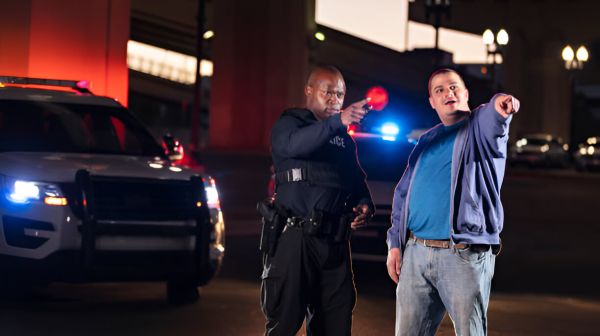
A DWI lawyer Cary drivers call after an arrest starts with one question: what does the State actually have to prove? North Carolina's impaired driving statute, N.C. Gen. Stat. § 20-138.1, defines the offense, and a Cary arrest is handled in Wake County. DWI stands for driving while impaired, and it is what many people still call a DUI. The two terms describe the same charge in this state.
DWI Charges in Cary, North Carolina
The statute sets out three separate paths to a conviction. A driver commits the offense by driving a vehicle on a highway, street, or public vehicular area in any one of these ways:
- while under the influence of an impairing substance;
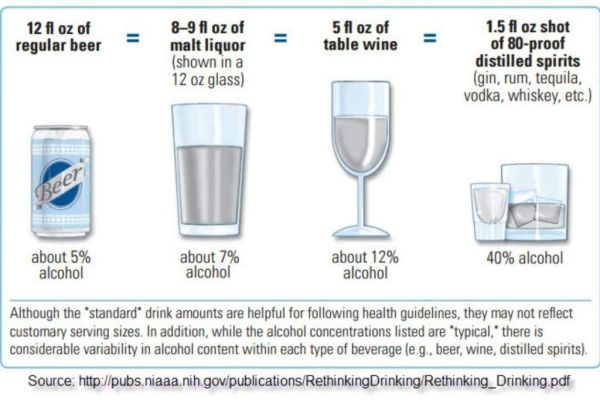
- after consuming enough alcohol to have an alcohol concentration of 0.08 or more at any relevant time after the driving; or
- with any amount of a Schedule I controlled substance, or its metabolites, in the blood or urine.
Those three prongs are alternatives, not a checklist. The State has to prove only one. A Cary case can move forward with no chemical reading at all. A result below 0.08 does not end it either. Prosecutors may still argue impairment from the driving, the officer's observations, and the field sobriety tests.
Prescription medicine counts too, and being lawfully entitled to use the alcohol or drug is not a defense. A DWI lawyer Cary NC drivers hire early can review those details before the first court date.
Your License, Chemical Testing, and DWI Checkpoints in Cary
The driver's license case moves on its own clock. North Carolina's implied consent law, N.C. Gen. Stat. § 20-16.2, governs chemical testing. A willful refusal carries a 12-month revocation through the DMV. That revocation takes effect on the 30th calendar day after the Division mails the revocation order, unless a written hearing request reaches the Division first.
A second and separate revocation of 30 days is ordered at the start of the case. That one is not a DMV matter. A driver contests it before a magistrate or a district court judge. The two tracks are separate.
Before testing, a driver may call an attorney and select a witness to be present. Testing cannot be delayed longer than 30 minutes. When an ignition interlock is later required, the device limit is 0.02.
Local and state officers run DUI checkpoints Cary drivers pass through. Before an officer can require a chemical test, there must be reasonable grounds to believe an implied-consent offense occurred. Defense attorneys can challenge how a checkpoint was planned and operated.
A DWI conviction cannot be expunged in North Carolina. A dismissed charge or a not guilty verdict may still be eligible.
Penalties and Sentencing Levels for a Cary DWI
North Carolina sentences impaired driving under its own scheme, separate from the usual misdemeanor classes. It uses six levels: Aggravated Level One, Level One, Level Two, Level Three, Level Four, and Level Five. Aggravated Level One has been on the books since December 1, 2011.
The level turns first on grossly aggravating factors. Those include a prior impaired driving conviction within seven years, and each prior counts separately. They also include driving while the license was already revoked for an impaired driving revocation. Serious injury to another person counts, and so does a child under 18 or a similarly vulnerable passenger in the vehicle. That passenger factor alone requires Level One.
If none applies, the judge weighs ordinary aggravating factors against mitigating factors. Fines range from $200 at Level Five to $10,000 at Aggravated Level One. A first charge can land at Level Three, Level Four, or Level Five depending on how the factors weigh.
Three or more prior DWI convictions within 10 years make the charge habitual impaired driving. That is a Class F felony with a minimum active term of 12 months.
Talk With a Cary DWI Lawyer
Cary sits in Wake County, so most Cary DWI charges are heard in Wake County District Court in Raleigh. A small western part of Cary reaches into Chatham County, and those cases go to Pittsboro.
DrunkDrivingDefense.com focuses on DWI defense and represents drivers charged with impaired driving across North Carolina. The law firm handles DWI cases that begin with Cary traffic stops and checkpoints. Its North Carolina DWI lawyers work with drivers at every stage.
A first call with a DWI attorney Cary drivers reach through this site covers the stop, the testing, and the revocation deadlines. Every case depends on its own facts, so speak with an attorney about yours.
The refusal clock and the civil revocation clock start early. Waiting costs options that are hard to recover later. Use our online contact form to start that conversation.