

An aggravated DUI or aggravated DWI criminal offense occurs when you were driving under the influence of alcohol, and caused an accident where another person was seriously injured or killed.
Aggravated DUI – Serious Injury and Death
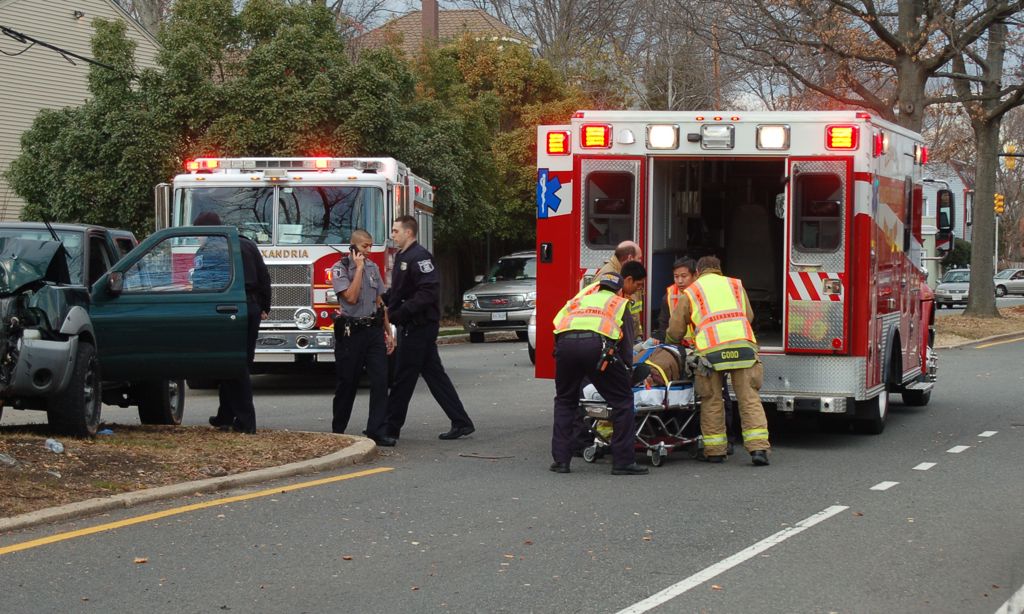 Aggravated DUI and aggravated DWI offenses are usually called “vehicular manslaughter,” “vehicular homicide,” “homicide by vehicle,” “serious injury by vehicle,” and (in some jurisdictions) “murder.” These “aggravated” or “serious” driving cases are felonies in virtually every instance, and require some proof that you were either impaired by alcohol or drugs, or you had a per se blood alcohol content BAC level equal to or above the applicable legal limit.
Aggravated criminal offenses are filed in DUI and DWI cases involving injury or death. These aggravated DUI cases require a highly-trained and qualified DUI-DWI attorney to handle all the legal intricacies.
In aggravated DUI trials, the prosecution must prove that you were intoxicated on either alcohol or drugs, and due to that impairment, you caused serious injury or death to other persons. These persons could have been in your vehicle, in another vehicle, or were pedestrians along the roadway.
Aggravated DUI Penalties & Consequences
For felony DUI and felony DWI cases, the range of jail punishment can be from 2 to 20 years in a state prison for homicide by vehicle and manslaughter by vehicle cases, to life imprisonment in states that charge a drunk or drugged driver with murder for killing a person in an accident.
A skilled DUI or DWI defense attorney can sometimes make the difference between a murder conviction and a jury verdict for a lesser-included offense. When your freedom is at stake in a felony DUI case, with death or a serious injury to another person, getting the best available DUI lawyer is critical.
If you are found guilty of a first degree vehicular homicide, the lesser misdemeanor of DUI or DWI is usually merged into the punishment for the vehicular homicide. On the other hand, reckless driving and “public intoxication” typically are not lesser-included offenses in a DUI or DWI, so you can be tried and sentenced on both the underlying driving act as well as the felony vehicular homicide.
Everyone at the Scene Can Be Tested for DUI
Some states have vehicular homicide and vehicular manslaughter statutes that allow police to draw a blood test from every individual involved in a DUI or DWI fatality or serious injury crash. So, in a serious accident involving very significant damages, visible serious injuries to anyone, or death, law enforcement officers can require or ask every driver to undergo scientific testing through a blood test, breath test or urine test based on the implied consent statutes.
Our team of local, well-known DUI lawyers are aggravated DUI specialists, and have helped thousands of clients successfully fight against serious DUI aggravated charges. Call us at 1-888-839-4384 anytime day or night and we will be in court right away. Hire the best after your arrest™.
More DUI/DWI Resources
If you’d like to learn more about DUI & DWI, read some of our helpful and informative articles below. Also, you can call 1-888-839-4384 anytime to schedule a free consultation.